
AI Chest X-Rays Offer Cheaper, Faster Tuberculosis Screening in Rural Philippines, Study Finds
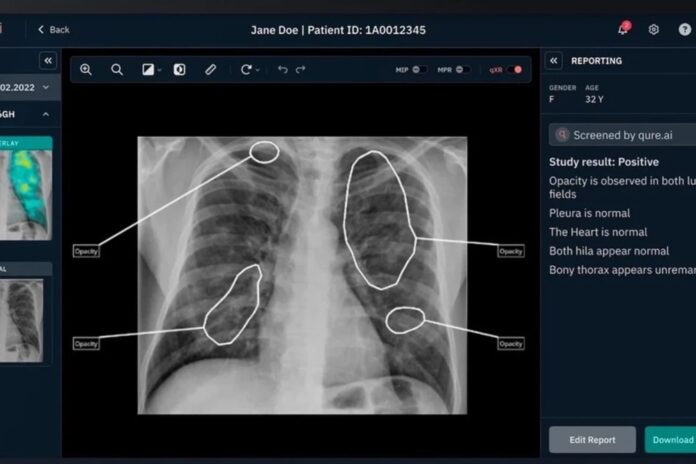

Artificial intelligence could bring down the cost of screening tuberculosis in remote Philippine communities, offering a practical way to bypass chronic specialist shortages in primary health centers, according to research from Ateneo de Manila University.
The economic modeling study, published in the August 2026 issue of BMC Health Services Research, evaluated the financial and operational impact of replacing or supplementing manual radiologist readings with AI diagnostic algorithms at rural health units (RHUs).
Led by Ateneo researchers Harold Henrison Chiu, Bryan Christopher Lao, and Gloanne C. Adolor, the team found that AI-assisted chest radiograph reading cut annual screening costs by nearly a quarter compared to conventional methods. Significant Savings Per Patient
Evaluating a simulated cohort of 1,000 presumptive TB patients over a five-year period, the researchers modeled expenses including software licensing, operating costs, radiologist reading fees, and follow-up confirmatory GeneXpert testing.
Traditional Manual Reading: ₱1.14 million annually (~₱1,142 per screened individual)
AI-Assisted Interpretation: ₱877,330 annually (~₱877 per screened individual)
Net Difference: A direct savings of roughly ₱265 per person screened
Beyond direct medical costs, automated image interpretation addresses a persistent logistical headache for patients in geographically isolated and disadvantaged areas (GIDAs). In rural towns with few resident radiologists, clinics often rely on teleradiology services that take days or weeks to return reads. The resulting delays frequently force patients to make costly follow-up trips to regional centers or drop out of care altogether.
“For resource-constrained communities, the most important question is therefore not whether AI can outperform or assist an expert reader, but whether it can extend expert-level support to places where expertise is scarce in a way that is affordable, sustainable, and equitable,” the researchers stated. Confronting a National Crisis
The findings arrive as the Philippines struggles to reverse high tuberculosis rates. According to World Health Organization figures cited in the report, an estimated 739,000 Filipinos contracted the disease in 2024 alone—accounting for roughly 6.8% of the global burden.
Using battery-powered, portable digital X-ray kits coupled with on-device or low-bandwidth AI software, field teams could identify suspect cases in remote barangays immediately, directing only high-probability patients to confirmatory laboratory tests. Caution Over Blanket Rollout
Despite the clear upside, the authors cautioned public health officials against rushing into an unchecked nationwide deployment.
The economic edge of AI narrowed or vanished when simulated under lower commercial teleradiology rates or when localized diagnostic sensitivity fluctuated. Furthermore, AI cannot definitively diagnose active tuberculosis; patients flagged as presumptive cases still require laboratory confirmation via molecular tests like GeneXpert.
Rather than an immediate sweeping mandate, the authors recommended focused pilot programs across high-burden, underserved municipalities. These targeted rollouts would allow health authorities to validate diagnostic accuracy in local clinical conditions, monitor real-world budget impact, and establish quality assurance frameworks before expanding the technology at scale.